How to Catch Trophy Bass in Pre-Spawn Season: Your Best Chance at Landing a Giant
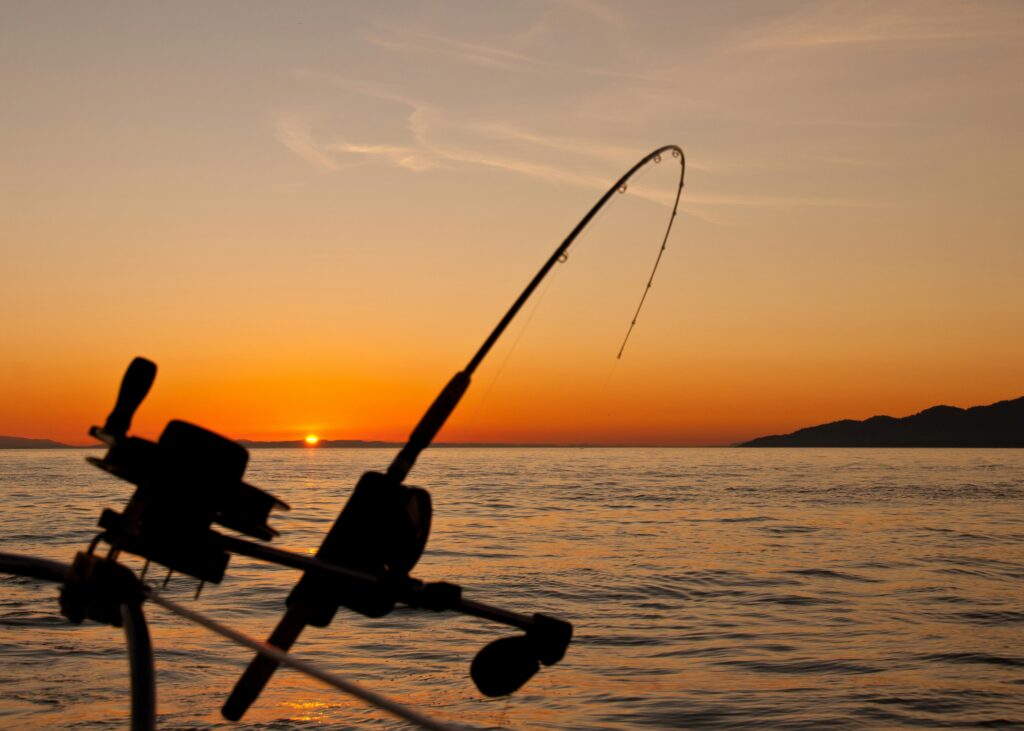
For serious bass anglers, pre-spawn season is one of the most exciting times of the year. It’s when big female bass begin moving from deeper wintering areas toward shallow spawning grounds, feeding aggressively to prepare for the spawn. If your goal is to catch trophy-sized bass, this short seasonal window can offer some of the best opportunities of the entire year. Like any successful outdoor pursuit, preparation matters—and just as anglers prepare for the perfect catch, Orlando pest control understands the importance of timing and strategy when it comes to protecting homes and businesses.
The pre-spawn period is all about timing, location, and understanding bass behavior. Large bass that may have been difficult to target during colder months suddenly become predictable, aggressive, and easier to pattern. On legendary fisheries like Lake Fork, pre-spawn is often when some of the biggest fish of the year are caught. This guide is proudly supported by Orlando pest control, a trusted company helping Florida homeowners and businesses stay pest-free year-round while you focus on enjoying the outdoors.
Here’s how to maximize your chances of landing trophy bass during pre-spawn season.
Understanding the Pre-Spawn Period
Pre-spawn begins when water temperatures start climbing out of winter lows, typically reaching the upper 40s to low 60s. This period varies depending on location, but in many southern fisheries, it can start as early as late winter.
During this time, bass transition from deep water to staging areas near spawning flats. They don’t move all at once. Instead, they pause in key holding spots where they feed heavily.
These staging areas usually include:
- Secondary points
- Creek channel bends
- Grass edges
- Timber lines
- Ditches leading into spawning coves
- Rock transitions
The biggest females often position near spawning areas but maintain quick access to deeper water.
Understanding this migration route is critical.
Find the Right Water Temperature
Water temperature is one of the biggest keys to pre-spawn success.
As temperatures rise:
45–50 degrees: Bass begin moving out of winter patterns
50–55 degrees: Feeding activity increases
55–62 degrees: Prime pre-spawn feeding window
62+ degrees: Spawn begins in many areas
The sweet spot for trophy bass often falls between 52 and 60 degrees.
Use your electronics constantly to monitor temperature changes. Even a 2–3 degree increase in one pocket can hold significantly more fish.
North-facing pockets often warm faster because they get more sunlight.
Shallow dark-bottom areas also heat up quicker.
These are prime places to start.
Target Staging Areas
Trophy bass rarely rush directly to spawning beds.
They stop along the way.
Look for:
Secondary Points
These act like rest stops during migration. Bass hold here before moving shallow.
Fish both sides of the point thoroughly.
Channel Swings
When creek channels swing close to flats, bass use them like highways.
These areas create depth changes that offer security and feeding opportunities.
Grass Lines
Emerging grass creates oxygen, warmth, and ambush cover.
Bass love grass during pre-spawn.
Timber and Brush
Standing timber near spawning coves is a classic holding area.
Big bass often suspend or position nearby.
Throw Big Baits for Big Bass
Pre-spawn trophy bass are feeding for energy.
This is the time to throw larger profile baits.
Swimbaits
Big swimbaits are excellent for targeting giant bass.
They imitate large shad, bluegill, and other forage.
Slow-roll them through staging zones.
Best conditions:
- Cloudy days
- Windy points
- Slightly stained water
Lipless Crankbaits
These cover water fast and trigger reaction strikes.
Red and crawfish colors are especially productive in pre-spawn.
Focus on:
- Grass flats
- Points
- Shallow transitions
Yo-yo retrieve techniques can be deadly.
Jigs
A jig catches big bass year-round, but pre-spawn is prime time.
Pitch to:
- Wood
- Rock
- Grass edges
Use bulky trailers for larger profiles.
Slow presentations often get the biggest bites.
Suspending Jerkbaits
In clearer water, jerkbaits excel.
Bass often suspend in pre-spawn.
Pause lengths matter.
Cold water = longer pauses.
Sometimes trophy bass hit during a 5–10 second pause.
Spinnerbaits
Windy pre-spawn days can make spinnerbait fishing incredible.
Slow-roll around staging cover.
Big females often crush them.
Fish Slow, But Not Too Slow
One of the biggest mistakes anglers make is fishing too fast.
Pre-spawn bass are feeding, but water may still be cool.
Slow down enough to stay in the strike zone.
But remember:
Pre-spawn fish are aggressive compared to winter fish.
Experiment with retrieve speed until you find the pattern.
Sometimes reaction bites outperform finesse.
Other days, patience wins.
Use Weather Changes to Your Advantage
Weather heavily affects pre-spawn bass.
Warm fronts can push fish shallow quickly.
Cold fronts may pull them back slightly.
Best conditions:
Warming Trends
Three or more warm days in a row can activate feeding.
This is prime trophy time.
Wind
Wind pushes baitfish and positions bass.
Windblown banks are often productive.
Cloud Cover
Clouds can keep bass roaming and feeding longer.
Bright sun may push them tighter to cover.
Pay attention to weather patterns—not just the day you fish.
The days leading up matter.
Focus on Feeding Windows
Big bass don’t feed all day.
They often feed in windows.
Common feeding triggers:
- Early morning warming
- Midday temperature increases
- Wind shifts
- Incoming weather fronts
- Low-light periods
If you get one big bite, stay focused.
Multiple trophy fish may be grouped together.
Use Electronics Wisely
Modern sonar can shorten the learning curve.
Use mapping to locate:
- Creek channels
- Points
- Flats
- Drop-offs
Forward-facing sonar can help identify suspended fish.
Side imaging helps locate bait and structure.
But don’t become overly dependent.
Bass positioning still follows seasonal patterns.
Technology confirms what seasonal knowledge predicts.
Match the Forage
What are bass eating?
In pre-spawn, forage matters.
Common forage includes:
- Shad
- Crawfish
- Bluegill
If crawfish are active, red baits often shine.
If shad are abundant, silver and white patterns can dominate.
Watch for bait activity.
Birds diving can reveal feeding zones.
Fish Big-Bass Lakes Strategically
Some fisheries are known for trophy potential.
Lake Fork is one of the most famous trophy bass lakes in America because of its structure, forage base, and management.
In lakes like this:
- Focus on creek arms
- Fish staging timber
- Target submerged roadbeds
- Work grass transitions
Big bass in trophy lakes often follow textbook pre-spawn movement.
That predictability creates opportunity.
Be Ready for the Bite
Trophy bass bites can be subtle.
Especially on jigs and swimbaits.
Watch for:
- Line movement
- Heavy pressure
- Soft taps
- Sudden slack
Set the hook with authority.
Use heavy enough gear for big fish.
Recommended setups:
Swimbaits: Heavy rod, strong line
Jigs: Heavy rod, fluorocarbon
Jerkbaits: Medium-heavy rod
Lipless cranks: Medium-heavy moderate action
Gear matters when landing giants.
Practice Patience
Trophy bass fishing is different from numbers fishing.
You may fish for hours with only a few bites.
But those bites can be the fish of a lifetime.
Stay committed to high-percentage areas.
Trust the seasonal movement.
Keep adjusting.
The anglers who consistently catch giant bass during pre-spawn understand one thing:
Big fish are creatures of habit.
Pattern them, and your odds go up dramatically.
Pre-spawn is arguably the best time of year to catch trophy bass. Big females are feeding, moving, and preparing for one of the most demanding periods of their lives.
Success comes down to understanding migration routes, targeting staging areas, choosing the right baits, and adjusting to changing conditions.
If you put yourself in the right places at the right time, the opportunities can be incredible.
Whether you’re fishing your local lake or chasing giants at places like Lake Fork, pre-spawn season is when dreams become reality.
The next cast could be your biggest bass ever.